


Get Updated!
Subscribe to newsletter
Subscribe to receive the latest blog posts to your inbox every week.
Thank you! Your submission has been received!
Oops! Something went wrong while submitting the form.

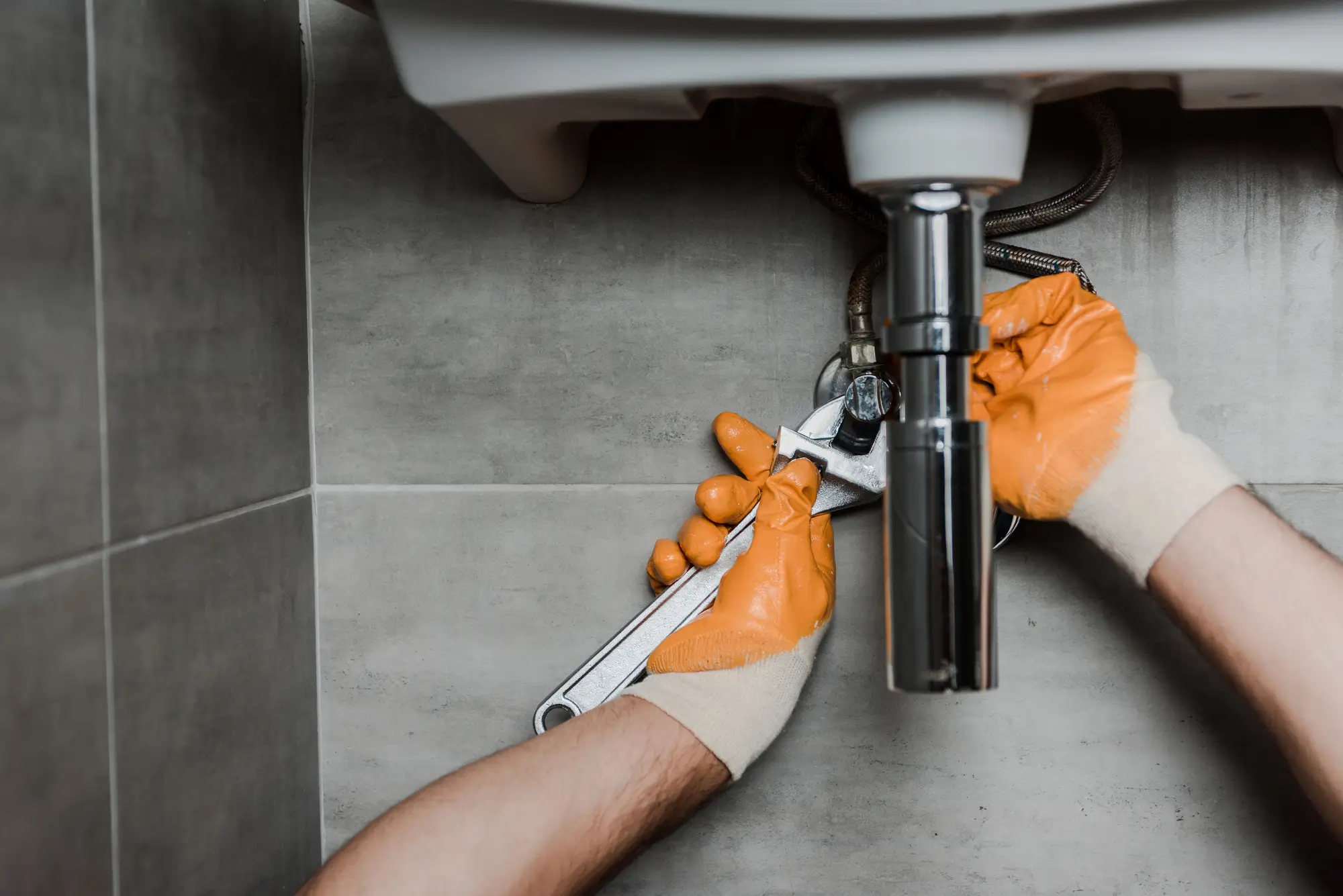

Detecting underground infrastructure problems early requires proactive property management and expert plumbing diagnostics. Recognizing the early warning signs of failing pipes can prevent disastrous structural flooding.
When symptoms arise, scheduling a camera inspection in Glendale, CA, is the most efficient way to pinpoint the exact cause of the failure. Delaying this vital assessment often leads to irreversible property damage and hazardous contamination.
Homeowners must remain vigilant and treat seemingly minor inconveniences as potential structural emergencies. Acting swiftly preserves property value and eliminates the risk of costly emergency excavations.

Most structural pipe failures begin as minor, easily ignored inconveniences around the house. Homeowners frequently dismiss slow drainage or strange sounds as temporary anomalies.
Unfortunately, these subtle indicators usually indicate significant structural blockages that form deep within the primary sewer line. Ignoring a slow-draining tub today virtually guarantees a complete sanitary backup tomorrow.
Understanding how residential infrastructure degrades is the first step toward comprehensive property preservation. Proactive maintenance always costs significantly less than reactive disaster mitigation.
Underground utility systems naturally obscure the visual evidence of physical deterioration. Soil shifting, seismic activity, and natural settling place immense pressure on buried residential infrastructure.
Without proper assessment, microscopic fractures slowly expand until a catastrophic blowout forces raw sewage into the home. Modern diagnostic equipment is the only reliable way to peer beneath the foundation.
Aging materials like cast iron and terracotta are particularly vulnerable to sudden structural collapse. Once these brittle materials fail, the surrounding earth immediately fills the void, halting all water flow.
A properly functioning drainage system utilizes specialized traps to block sewer gases from entering living spaces. When these traps dry out or a main line cracks, foul odors begin permeating through the household sinks.
Persistent sulfur or sewage smells are never normal and indicate a serious ventilation failure. These distinct odors often fluctuate in intensity depending on atmospheric pressure and indoor temperature.
Tracking the scent to a specific room can help isolate the exact location of the plumbing breach. However, severe mainline breaks can cause noxious fumes to escape from every drain in the house simultaneously.
Sewer gas contains a toxic mixture of methane, ammonia, and hydrogen sulfide. Prolonged exposure to these noxious fumes can cause severe respiratory irritation and debilitating headaches.
Addressing these airborne contaminants quickly is crucial for maintaining a healthy indoor environment. Children and elderly residents are especially susceptible to the negative health impacts of these gaseous compounds.
Proper ventilation restoration requires specialized knowledge of systemic air pressure dynamics. Attempting to mask the odor with air fresheners only prolongs the exposure to these dangerous biohazards.
Sometimes the odor originates from a blocked vent pipe located on the roof. Debris, bird nests, or leaves can easily obstruct these crucial air pathways.
Professional intervention is required to clear these high-altitude blockages safely and effectively. Restoring proper airflow immediately neutralizes the hazardous odors and normalizes interior systemic pressure.
A single clogged sink usually indicates a localized buildup of hair or soap scum. However, when toilets, showers, and sinks all back up concurrently, the primary drainage artery is severely compromised.
This simultaneous failure means wastewater has nowhere to escape and will eventually reverse course. Running the washing machine and watching the bathtub fill with dirty water are classic hallmarks of this systemic failure.
Resolving a main line blockage requires heavy-duty industrial equipment designed to cut through dense obstructions. Standard chemical drain cleaners are completely useless against these massive subterranean barriers.
Tree roots naturally seek out subterranean moisture sources during dry environmental conditions. They can infiltrate microscopic fissures in pipes, expanding rapidly to form impenetrable biological blockages.
Specialized hydro-jetting technology is often required to safely obliterate these stubborn organic obstructions. Highly pressurized water streams effortlessly slice through dense root masses without damaging the host pipe.
Preventing future botanical intrusions requires sealing the initial fractures using trenchless lining techniques. This creates a seamless, durable barrier that completely prevents surrounding vegetation from accessing internal moisture.
In some extreme cases, municipal infrastructure failures can force excess wastewater back into residential pipelines. Blockages and line breaks can cause severe sanitary sewer overflows that threaten public health.
Environmental experts note that these structural defects in the sewer system allow stormwater to overload the system and flood local properties. Recognizing the difference between a municipal failure and a private line break dictates the appropriate legal response.

Raw sewage acts as a highly concentrated, nutrient-dense fertilizer for standard lawn grasses. If a specific section of the yard suddenly appears vibrantly green and thick, an underground pipe is likely leaking.
This artificial fertilization is a glaring indicator of subterranean structural collapse. While the landscaping may appear pristine for now, the underlying environmental hazard requires immediate mitigation.
The saturated soil above the leak will eventually become too soft to walk on safely. Ignoring this rapid botanical growth inevitably leads to massive sinkholes developing across the lawn.
Leaking residential pipes introduce hazardous bacterial pathogens directly into the surrounding soil. Effluent from damaged systems can easily percolate downward and pollute the local water table.
Research indicates that this excess bacterial contamination from septic and sewer systems severely degrades local environmental quality. Protecting community resources starts with securing private utility infrastructure against chronic leakage.
Resolving these leaks quickly prevents massive regulatory fines from local environmental protection agencies. Proactive monitoring ensures that residential systems remain compliant with strict municipal sanitation codes.
Continuous subterranean leakage gradually erodes the foundational soil supporting the yard. This relentless erosion creates dangerous sinkholes and uneven topographical depressions across the property.
Promptly repairing these structural re-drain channels prevents heavy landscaping equipment from collapsing into the voids. Homeowners must constantly monitor their property for the following visual indicators:
Hard water supplies frequently deposit thick layers of calcium and magnesium inside residential plumbing fixtures. Over decades, this relentless calcification has dramatically restricted the internal diameter of the water supply lines.
Integrating specialized residential water softeners can perfectly mitigate this destructive mineral accumulation. Softening the supply prevents future scale buildup and dramatically extends the lifespan of expensive appliances.
Restoring optimal pressure often requires a combination of descaling agents and mechanical cleaning. Ignoring severe calcification eventually forces complete systemic replacement.
A sudden, inexplicable drop in water pressure often signifies a catastrophic pipe rupture hidden behind drywall. These concealed leaks release thousands of gallons of pressurized water into the house's structural framing.
Prompt re-piping services are absolutely vital to halt the rapid spread of toxic black mold. Modern re-piping utilizes flexible, durable materials that are highly resistant to freezing and bursting.
Detecting these interior leaks early prevents complete structural rot within the wooden wall studs. Advanced acoustic sensors can easily pinpoint the exact location of the escaping water behind solid barriers.
Sometimes the pressure drop is isolated to a single degraded faucet or showerhead. Aerators and internal mixing valves frequently become clogged with microscopic sediment over time.
Upgrading to modern, high-efficiency plumbing fixtures quickly restores optimal water delivery rates. These updated components are meticulously designed to maximize flow while minimizing total water consumption.
An unexpected spike in monthly utility costs is the most reliable financial indicator of a concealed leak. If consumption habits have not changed, a skyrocketing bill demands immediate forensic investigation.
Thousands of dollars are wasted annually by ignoring these subtle financial warning signs. Monitoring the exterior water meter for movement while all interior fixtures are closed confirms systemic leakage.
Consistent financial monitoring is an essential component of responsible estate management. Early detection limits both the structural damage and the exorbitant municipal utility charges.
Old, inefficient water heaters are notorious for developing microscopic tank fractures that leak continuously. These slow drips rarely cause immediate flooding, but they constantly drain the municipal supply line.
Upgrading to modern residential water heaters eliminates this chronic source of utility waste. Tankless systems provide endless hot water while using a fraction of the energy of traditional systems.
Routine maintenance flushes prevent corrosive sediment from destroying the interior lining of the heating tank. Proactive appliance management drastically reduces unexpected mechanical failures.
Rural properties face unique challenges when unseen leaks overload their private waste management systems. Excess moisture prevents natural bacterial breakdown processes and permanently damages the surrounding soil composition.
Environmental guidelines warn that keeping excess surface drainage systems away from these fields is critical for preventing total systemic failure. Redirecting surface runoff protects the fragile subterranean ecosystem necessary for proper waste processing.

Protecting your home from devastating water damage requires proactive awareness and immediate action. Do not wait until a minor symptom evolves into a catastrophic structural emergency.
If you are experiencing any of these hidden warning signs, contact Glory Plumbing today. Our elite technicians are ready to secure your property; reach out now to book a consultation for a camera inspection in Glendale, CA, and restore your peace of mind.